

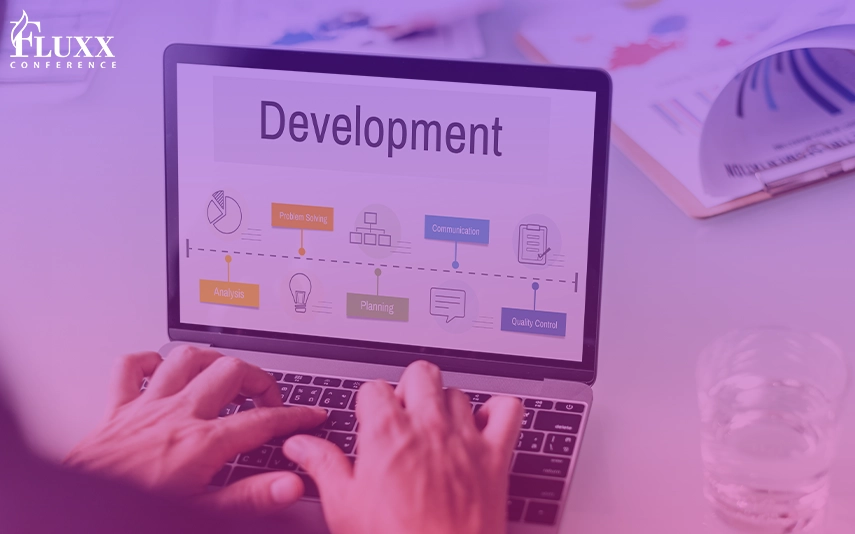
Critical Technical Missteps in Early-Stage Start-up Development
Summary: Early-stage start-ups often struggle with technical decisions that shape long-term outcomes. This blog examines common missteps and practical ways to avoid them. It also highlights how strategic exposure through conference sponsorship in the Philippines and insights drawn from best things to do in the Philippines in 2026 often intersect with leadership growth opportunities, including leadership conference 2026 nomination, for founders building resilient, scalable ventures.
Early technical decisions define how a start-up evolves, scales, and competes. Founders who understand this dynamic position themselves for sustainable growth and visibility through initiatives such as conference sponsorship in the Philippines and learning journeys inspired by best things to do in the Philippines in 2026. Leadership-focused exposure, including leadership conference 2026 nomination, often reflects how well start-ups balance innovation with disciplined execution.
Overengineering the Product Too Early
Most start-ups spend too much time developing complicated systems when they are yet to prove the demand. This strategy redirects resources to learning in the market and slows feedback. Teams must concentrate on central functionality that can serve the immediate user requirements. It is also difficult to make pivots in the future with overengineering, which is often necessary in early-stage companies. Founders who maintain simplicity of systems maintain flexibility and keep the momentum.
Ignoring Scalability Fundamentals
There are some groups that presume that scaling issues will arise in the later stages. Such an assumption gives rise to weak architectures that cannot withstand the pressure of growth. Startups do not require enterprise-grade systems; however, they require platforms that can support controlled growth. Openness to global ecosystems via conference sponsorship in the Philippines usually indicates how successful start-ups create lean but scalable systems directly.
Weak Security and Compliance Practices
Security often receives minimal attention during early development. This carelessness poses threats in terms of data breach and compliance risks. If the start-up does not have advanced security features, then the first step is to incorporate basic security such as access control and data protection. It is expected that founders who want to gain recognition in the industry, like the nomination of a leadership conference 2026 nomination, have good governance and technical responsibility.
Lack of Clear Technical Ownership
In case architectural decisions are not owned by an individual, there is technical inconsistency. Early-stage start-ups have the advantage of having a defined technical leadership even in small teams. There is also the accountability of clear ownership and quicker resolution of issues. The visibility of leadership, such as the opportunities associated with the Leadership Conference 2026 nomination, is frequently associated with founders who create clarity in technical and operational functions.
Underestimating Technical Debt
The rapid development approach tends to add shortcuts, which result in technical debt. Although a certain amount of debt is inevitable, uncontrolled debt has a negative effect on innovation and high maintenance expenses. Start-ups should capture compromises and re-strategize on them. When founders are learning about ecosystems featured in the best things to do in the Philippines in 2026, they are likely to be exposed to peer-to-peer ideas of adopting responsible growth.
Poor Alignment Between Product and Engineering
Misalignment between business goals and engineering priorities leads to wasted effort. Teams need shared metrics and clear communication channels. Periodic alignment is what is used to make the engineers familiar with the business context, which enhances the quality of execution. The start-ups identified with the help of the 2026 leadership conference nomination usually excel in ensuring this gap is filled with the help of transparent leadership practices.
Conclusion
Early-stage start-ups succeed when technical discipline supports vision rather than constrains it. Avoiding common missteps strengthens credibility, scalability, and leadership readiness. Strategic visibility through conference sponsorship in the Philippines and learning inspired by best things to do in the Philippines in 2026 often complements strong execution. Founders who invest in sound technical foundations position themselves for recognition and sustainable growth.
Join Fluxx Conference and connect with global leaders shaping the future of business.
Frequently Asked Questions
Q1. Why do early-stage start-ups struggle with technical decisions?
At earlier stages, teams are more focused on speed and validation, and as such, rarely have the capacity to do systematic technical planning.
Q2. How much scalability planning does a start-up need initially?
Start-ups require the use of lightweight scalability, which will support their near-term growth without excessive engineering.
Q3. Is technical debt always harmful for start-ups?
Technical debt is tolerable as long as it is recorded and tackled in a strategic manner.
Q4. How does leadership impact technical success in start-ups?
Accountability, alignment, and informed decision-making within teams can be achieved through clear leadership.
Q5. When should start-ups focus on external visibility and recognition?
Visibility initiatives go hand in hand with growth and leadership maturity once core systems have stabilized.
Interesting Reads:
APIs as Revenue Products: Technical Foundations for Monetization
HR Tech: Cybersecurity and Data Privacy in HR: Employee Data Protection in a Digital Age