Summary: Women leaders have an important role to play in enterprise risk management by questioning assumptions, feeling the pulse of emerging risk, raising stakeholder awareness, and linking risk management with business strategy. Their views can contribute more robustly to good governance, effective accountability, leadership development, and the growth of organisational resilience at the board level, and can inform organisations against the backdrop of evolving and complex risks.
A board can have detailed risk reports and still miss the risks that matter most. Emerging technologies, cybersecurity threats, regulatory changes, talent gaps, and reputational issues can develop faster than traditional reporting cycles. For women leaders serving at the board level, the challenge is to look beyond conventional risk indicators and ask better questions. Their diverse expertise and strategic perspectives can strengthen enterprise risk management while helping organizations prepare for uncertainty rather than simply react to it.
Better Board Questions
The quality of the questioning directed by the directors is critically important to effective risk oversight.
Women leaders can pressure the boards to review strategic issues like:
- What are the potential threats to this plan?
- What new risks are not being reported?
- Who will be responsible for controlling each material risk?
- Do risk appetite and growth plans align with the organization?
- What if that doesn't pass out?
These questions can turn ERM from being a reporting tool to a key component of strategic decision-making.
Governance, decision-making, technology, and organizational resilience can also be discussed and explored through leadership forums and the women leadership conference schedule.
Risk and Strategy: How to link them together?
Risk management should not exist outside of the business strategy. Uncertainties are present in making major decisions such as acquisitions, market expansion, investments in technology, and organizational restructuring.
Women directors can help to ensure that risks are considered prior to sanctioning these decisions. They may inquire about the possibility of potential revenues versus risk and whether management has sufficient resources and contingency plans.
This way, boards can weigh both the positive and negative scenarios and make informed decisions about their resources before they go all in. It also aids in creating a more transparent link between corporate goals and risk appetite to long-term resilience.
For leaders who are interested in linking leadership roles to broader strategic and organizational issues, the Femme-X schedule may be of particular interest.
Stakeholder Risks
Risk also covers customers', staff's, investors', regulators' and business partners' expectations of a company.
Other women leaders can help boards consider the potential impact of a decision on one or more of the stakeholder groups. This can be helpful in situations when an organization is having trouble with its culture, customer trust, data security, sustainability, or corporate conduct.
These are some of the factors to take into account without excluding all possible risks. Rather, it provides a broader understanding for the director of the effects of material choices and whether they have the right protection in place.
Stronger Risk Culture
It's only effective if employees know what's expected of them and are confident in what they are doing to raise concerns in a formal risk framework.
Initiatives for women leaders that could help include a review of who owns the risk throughout the organization and when key issues get to the attention of senior staff. They can also explore if incentives for performance cause target behaviour or unintentionally promote excessive risk-taking behaviour.
Board discussions can thus tie ERM and succession planning, leadership development, employee accountability and organizational culture together.
This involves active risk setting, where problems in the risk come to light early, as part of daily decision-making.
Preparing Future Leaders
Risk management is very intertwined with the skills of leadership. Organizations demand executives who have the ability to make good decisions in shifting markets, technologies, regulations, and changing customer expectations.
Women on Boards can support organizations in creating future leaders who are knowledgeable about risk and can apply innovation and resilience-balancing tactics.
Executives and experts from the industry can collaborate and have practical discussions on these challenges through industry events. Keynote sessions women leaders can cover topics like digital transformation, strategic leadership, governance, emerging technologies, and decision-making in uncertain times.
These discussions can open up the minds of leaders to other opinions that might not come up in their normal board meetings.
Learning Through Networks
The Board members can't predict every risk that can arise. Sometimes, external networks can provide leaders with a glimpse into what is happening in the industries they’re not directly involved in, as well as provide them with insight into potential issues that could impact their organizations in the future.
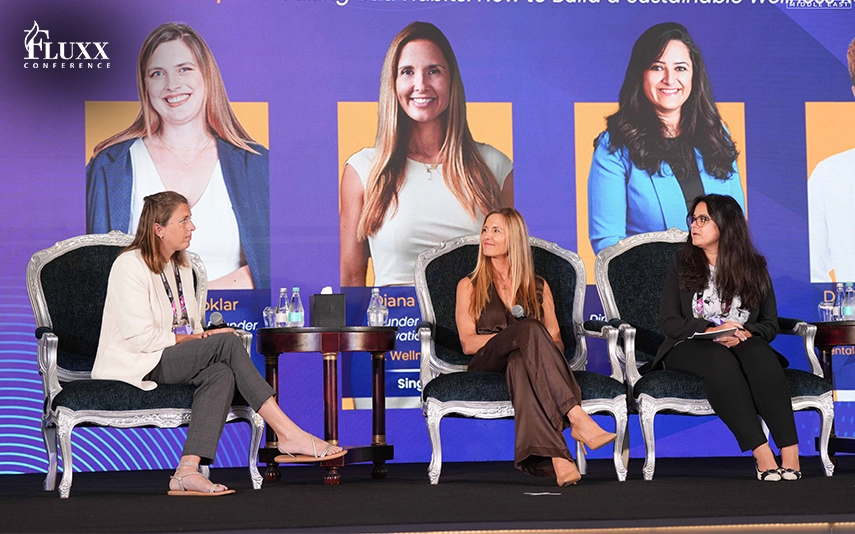
The FLUXX Femme-X global conference is where women leaders can learn and share knowledge and experiences related to leadership, technology, innovation, and business issues. The published agenda covers progress for women leaders in the digital age as well as key opportunities and threats.
These discussions can help leaders broaden their understanding of changing business environments – and take these insights with them back to their organizations.
Practical Actions
Women leaders can carry out their vision of more robust board-level ERM through:
- Checking Risk Reports as part of decision-making strategies.
- Questioning conventional ideas that underlie significant investments.
- Following the development of technology and regulatory challenges that may impact a project.
- Providing material risk owners.
- Relating risk appetite to business strategy.
- To stimulate thinking about "what ifs" of major disruptions.
- Linking risk oversight with succession and leadership development.
Such actions can help to tailor risk conversations to be more direct, proactive, and beneficial for all members of the board.
Conclusion
By transforming boardroom conversations around risks from mere reporting tasks to active risk management in a boardroom, women leaders can boost enterprise risk management in a meaningful way. Engaging in deeper questioning, questioning assumptions, thinking about stakeholders, and watching for new risks can help organizations respond more proactively.
Leaders can also continue to develop their skills and knowledge by engaging with industry discussions and fellow professionals in a professional network. A review of the women leadership conferences schedule, in other words, the sessions scheduled in this regard in the organization Femme-X, may give additional insight into the issue of leadership, innovation, governance, and risk.
Review the Femme-X schedule of activities for future events and leadership development opportunities.
FAQs
1. What is enterprise risk management at the board level?
It includes oversight of an organisation to identify, evaluate, monitor, and manage important strategic, financial, operational, technological, and reputational risks.
2. What is the value to women leaders in ERM?
Their role is to help by posing more effective questions, challenging assumptions, identifying new risks, and linking risks to decisions.
3. Why is it important for boards to think about emerging risks?
Government regulations, artificial intelligence, cybersecurity, technological disruption, and other emerging threats can impact business planning processes before showing up in traditional risk reports.
4. How can leadership conferences help women leaders?
Leadership conferences offer a chance to gain insight from industry innovators, discuss new business challenges, get different perspectives, and network with other professionals.
5. What can women leaders gain from Femme-X?
Femme-X offers platforms for discussions on topics like leadership, innovative thinking, technology, business, and issues that impact women leaders.
Interesting Reads:
Beyond the Stage What a Global Women Leadership Experience Really Offers?
How Women Leaders Can Measure Whether an Industry Event Is Worth Attending