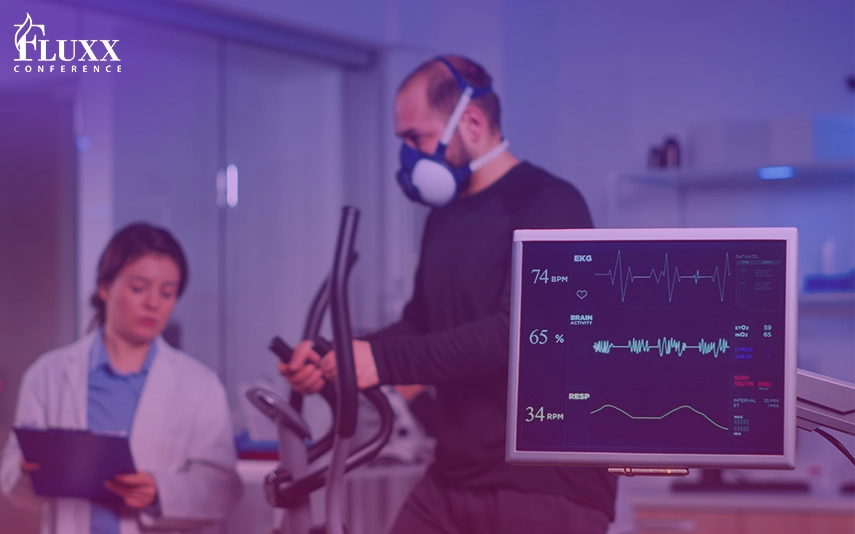
The redefinition of chronic care management by Remote Patient Monitoring
The chronic diseases do not shout their names. They build and build silently, establish a routine and require long term attention and not short term treatment. Over the decades, chronic care management has placed a lot of emphasis on the scheduled visits, self-reported symptoms and delayed interventions. A major change in healthcare delivery is today redefining that model, which is Remote Patient Monitoring (RPM). A former reactive set-up is becoming proactive, continuous, and data-driven.
The Evolving Face of Long-term Care
Diabetes, hypertension, heart disease, COPD, and asthma are chronic diseases that need regular monitoring. The ancient care paradigm puts a significant burden on the patient to identify some red flags and seek attention early enough. In most cases, such a strategy results in gaps, such as missed symptoms, suboptimal changes in treatment, and preventable hospitalizations.
Remote Patient Monitoring fills this gap because it expands clinical supervision beyond the scope of the healthcare facilities. With interoperable medical devices, providers will be able to monitor patient health metrics in real time and change chronic care into an ongoing process instead of a sequence of discrete sessions.
What Is Remote Patient Monitoring?
Remote Patient Monitoring is the use of digital health technology to gather medical information about patients outside a clinical facility and transfer it safely to the medics. Such indicators can be the level of blood glucose, blood pressure, heart rate, oxygen saturation, weight, and medication adherence.
RPM is not only useful in data collection, but actionable insights. In the case of abnormal trends, clinicians are able to intervene in the early stages before a condition grows into an emergency.
Periodic Check-ups to Continuous Care
Among the greatest transformations that RPM is bringing to chronic care management is substituting regular checkups with continuous care. Clinicians are no longer restricted to snapshots of patient health during office visits as they are currently able to access longitudinal data which reflects real-life conditions.
As an illustration, a hypertensive patient can record a normal blood pressure in the clinic but has dangerous spikes at home. RPM reveals these trends that are not evident before the physicians can make tailored plans on treatment based on the actual data and not speculation.
Better Outcomes and Early Intervention
Early identification plays a very important role in the management of chronic diseases. RPM helps providers detect subtle change in patient health before it happens. A progressive weight gains by a patient with the heart failure problem, e.g., can be an indicator of fluid retention, a red flag, which enables clinicians to change the medication in time and avoid hospitalization.
Research has always indicated that RPM results in better clinical care, fewer emergency rooms, and decrease the readmission rates. Early intervention enables the healthcare teams to treat the conditions more appropriately without causing the patients excessive physical and emotional stress.
Engaging Patients to Empower Them
This is also the redesign of the role of the patient in chronic care in Remote Patient Monitoring. Patients will be active participants in their health management as opposed to being passive receivers of their treatment. The visualization of daily health metrics helps to create awareness, responsibility, and compliance with care plans.
Such enhanced participation is especially beneficial with long-term conditions which rely heavily on lifestyle control. The patients will be more inclined to make informed, sustainable changes when they can learn about the influence of daily habits on their readings.
Enhancing Access and Continuity of Care
In patients who live in rural or underserved populations, face-to-face interactions might pose a major obstacle to regular services. RPM helps to overcome this by accessing continuous monitoring at any location. The patients have high-quality supervision without the logistics issue of traveling, time off work, and mobility restrictions.
Moreover, RPM allows continuity of care by maintaining contact between visits of healthcare teams. This continuity builds up patient-provider relationships and builds trust, which is a vital constituent of a successful chronic disease management.
Is it possible to cut down Healthcare Costs?
A significant percentage of healthcare expenditure in the world is incurred due to chronic diseases, whereby complication and hospital admissions are preventable. Remote Patient Monitoring provides an alternative that is cost-effective as it implies an upstream shift in care.
Minimizing acute episodes, hospital charges, and medication administration helps in lowering the total healthcare expenditure and sustaining (or enhancing) the quality of care, RPM reduces overall healthcare expenses. The field of healthcare has begun to consider RPM as a mandatory investment and not an additional cost.
Personalization of Care based on Data
Each chronic condition manifests itself in patients in different ways. RPM facilitates the provision of personal care as the individual health patterns with time are recorded. Clinicians are able to trend, determine the effectiveness of treatments and modify care plans precisely.
This evidence-based practice would shift chronic care management toward non-standardized protocols and tailored, patient-centered interventions that are consistent with their needs and behaviors.
Overcoming Obstacles and Guaranteeing Success
Although the advantages of Remote Patient Monitoring are significant, its application cannot be achieved successfully without planning. Important factors are data security, teaching patients, ease of use of the device, and compatibility with the current clinical processes.
Healthcare organizations also need to make sure that the solutions of RPM are user-friendly, clinically meaningful, and meet the regulatory requirements. RPM when applied properly becomes an extension of care and not an extra burden.
What Lies Ahead of Chronic Care Management?
Remote Patient Monitoring is not a fad phenomenon but it still is a fundamental change in the way chronic illness is addressed. RPM will be more predictive, more integrated and more customized as technology keeps evolving.
Remote Patient Monitoring is transforming chronic care management to a model that is proactive, effective, and focused on the long-term health outcomes by incorporating continuous data, early intervention, and patient engagement to define chronic care management. This change will signify a more responsive and sustainable future of chronic care to both patients and providers. Visit at – Fluxx Conference
Interesting Reads:
The Emergence of Composable Enterprises: Constructing API-First Business Models
Artificial Intelligence Supercomputing Computations and Future-Gen compute Archs