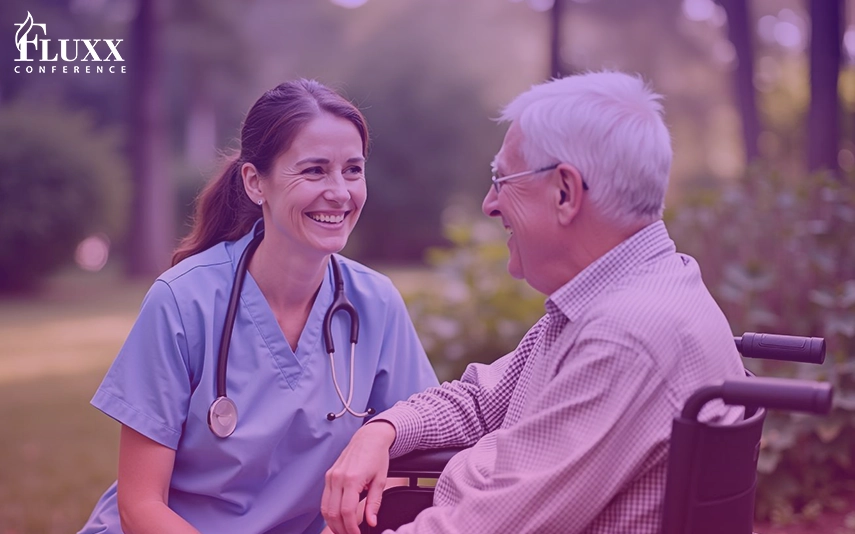
Summary: Healthy aging relies on innovative approaches that enhance quality of life, promote independence, and support preventive care. Discussions at higher ed IT conferences and an AI conference in Thailand increasingly highlight the role of technology in advancing senior healthcare. Industry leaders at health tech conference events and CXO conference gatherings continue to shape strategies that redefine elderly care through science and innovation.
Healthcare professionals continue to redefine aging through scientific advancements and technology-driven care models. Insights shared at higher Ed IT conferences and an
AI conference in Thailand demonstrate how interdisciplinary collaboration accelerates progress in senior health. Discussions at a health tech conference and a
CXO conference further emphasize the need for innovative solutions that support healthier and more independent lives for aging populations.
Understanding Healthy Aging
Healthy aging is an effort to keep people healthy and active through brain, social, emotional, and physical health as they age. Modern health care isn’t limited to the treatment of disease. Rather, efforts are instead aimed at preventive measures, early detection, and tailored treatment plans.
Researchers are coming to an understanding that lifestyle, genes, the environment, and access to quality health care play a significant role in the nature of aging. These results support a multi-faceted approach to health that can help ensure good health for the longer term.
Artificial Intelligence Enhances Senior Care
AI is increasingly showing its promise to boost the health outcomes for older people. AI diagnostics support health professionals in the detection of diseases like dementia, cardiovascular diseases, and cancer earlier in the diagnosis process. Early detection allows timely interventions to be provided to help treatment be more effective and of quality.
Proactive healthcare management is often a topic of conversation at an AI conference in Thailand. AI systems can analyze health data and detect risks at an early stage before significant problems occur, facilitating medical teams in creating personalized treatment programs. Integrated AI systems can use health data to identify risks at an early stage even before significant issues arise and enable medical staff to efficiently design personalized treatment plans.
The use of technology in monitoring and rehabilitating seniors is also enhanced. Smart devices monitor the physiologic parameters, the compliance with the medication, and the mobility of a person, thus allowing timely interventions of health care professionals in response to variations in the person’s health condition.
Personalized Medicine Drives Better Outcomes
Precision medicine remains a revolution in aged people’s healthcare. By screening patients with their genetic or biomarker information, doctors can better personalize treatments. Tailored interventions increase the effectiveness of treatment and minimize interventions that are not needed.
In the realm of health tech, a new breakthrough showcased at a big health tech conference can highlight the power data brings to>Technology Supports Independent Living
Technological innovation extends beyond clinical settings. Smart home solutions enhance safety and autonomy for older adults living independently. Safety features like fall detection, voice-controlled helpers, and communication devices that call for help in case of a fall can give peace of mind to seniors and caregivers.
At a conference for healthcare leaders (CXO), these strategies are usually discussed that would allow the integration of these technologies into the healthcare ecosystem. Cooperation across different sectors continues to be important for increased information sharing on how to provide practical solutions to issues of aging.
Digital platforms offer better communication between healthcare providers, caregivers, and patients as well. Improved coordination leads to better and more efficient care delivery, with emphasis on the patient.
Preventive Care Shapes the Future of Aging
Preventive health care is a cornerstone to healthy aging. Chronic disease prevention measures, screening programs, vaccines, physical activity, and mental health support, decrease chronic disease risks.
Preventive strategies empower people to be involved in taking care of their health. This can foster a sense of resilience and contribute to long-term health and well-being.
Conclusion
The science behind healthy aging continues to evolve through technological innovation, collaborative research, and patient-centered care models. Insights emerging from higher Ed IT conferences and an AI conference in Thailand demonstrate how diverse industries contribute to advancing senior healthcare. Organizations participating in a health tech conference and a CXO conference play an essential role in shaping solutions that promote healthier, more fulfilling lives for aging populations.
As healthcare innovation accelerates, stakeholders need to embrace evidence-based approaches that prioritize prevention, personalization, and accessibility.
Join
Fluxx Conference to explore transformative ideas shaping the future of healthcare and healthy aging.
Frequently Asked Questions
What is healthy aging?
Healthy aging refers to maintaining physical, mental, and social well-being while minimizing the impact of age-related health conditions through preventive care and healthy lifestyle choices.
How can AI enhance the lives of seniors?
Artificial intelligence enhances senior care by supporting early disease detection, predictive analytics, remote patient monitoring, and personalized treatment planning.
Why is preventive care important for older adults?
Preventive care leads to the detection of health risk factors early, decreases the risk for chronic diseases, and promotes improved health and independence over the long term.
What role does technology play in independent living for seniors?
Smart home gadgets boost safety and independence, along with emergency response, medication reminders, and remote health monitoring devices.
How does personalized medicine benefit aging populations?
Personalized medicine uses an individual’s genetics and health information to more effectively and selectively target disease treatment and prevention.
Interesting Reads:
How Online Teaching Conferences Support Educator Well-Being?
AI Archaeology: What Future Historians Will Learn from Our Data