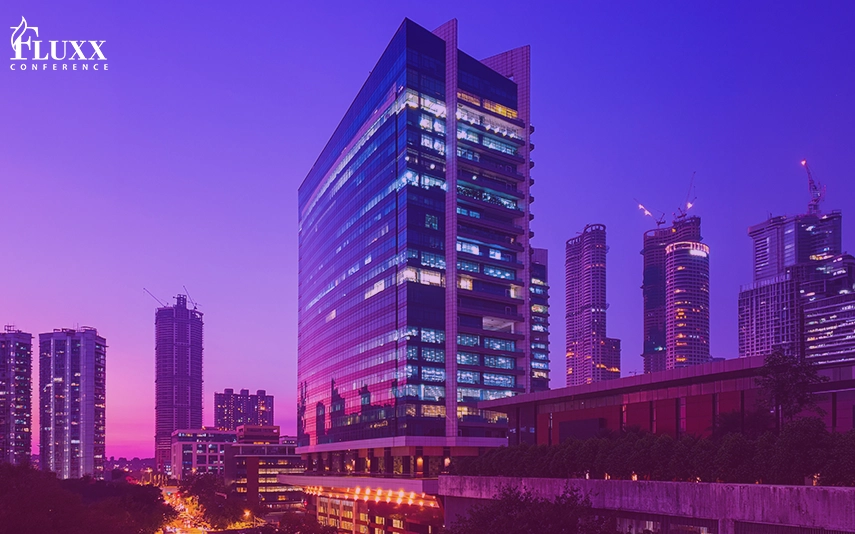
In the realm of commercial buildings, innovation is also a concern in creating energy-efficient solutions. Energy-efficient innovation trends are another point of concern in the arena of commercial buildings in terms of creating energy-efficient solutions.
Discover current trends in energy-efficient innovations for commercial buildings, such as advanced automation and eco-friendly materials, which are cost-effective and efficient.
Utilizing Energy Efficient Innovations in Commercial Buildings
Skylines only had one definition for quite a while: height and architecture. The most impressive Commercial buildings of today think, adapt and conserve. A transformation is taking place—behind sleek glass facades and contemporary workspaces, in buildings, we are becoming smart ecosystems, striving to cut down on energy waste, operational expenses, and safeguard environmental sustainability.
A large amount of electricity is used on commercial properties every day. Decades of years have increased in lighting systems, HVAC usage, elevators, data centers, water management and more. With increasing regulatory and business concern over carbon footprint reduction and operational efficiency, the trends in energy efficient innovations are impacting the design, management, and maintenance of commercial buildings.
Smart Building Automation Systems
One of the most significant breakthroughs in business systems and infrastructure is the use of smart building automation systems. These technologies leverage real-time data analytics, artificial intelligence, and sensors to track and manage energy use within a facility.
Today’s technology can automatically control lighting by activity, thermostat themselves indoor environments for weather conditions and manage ventilation as per air quality. Buildings are now dynamically responding to actual usage instead of running equipment even when it is not.
This is not only energy saving but also contributes to occupant comfort. Opting for energy efficiency benefits businesses and their workers, as well, by leading to improved productivity and better overall indoor experience for staff.
High-Performance HVAC Technologies
The HVAC consume substantial amount of energy in commercial buildings. This is why HVAC innovation is something that is coming into the spotlight in sustainable commercial design.
Most people are familiar with How often: Variable refrigerant flow (VRF) heat pumps, smart thermostats, and energy recovery ventilators (ERVs) are becoming widespread in contemporary commercial buildings. The technologies enable buildings to regulate their heating or cooling systems to only come online for the specific zones as opposed to treating the building as a single block.
The industry too is evolving, with predictive maintenance tools changing the way the industry operates. AI diagnostics can proactively pinpoint inefficiencies or equipment issues before they turn into issues. By taking proactive steps, this method helps to save components and resources, ensuring optimal functioning and energy efficiency.
The Adoption of Renewable Energy Sources in Relation to Integration
Solar power is no longer seen as an extra or an enhancement to commercial properties. Many companies are now setting up renewable energy systems in the design of buildings from the ground up.
Commercial-scale solar power generation is occurring on-site through rooftop solar panels, solar glass, and building-integrated photovoltaic (BIPV) solutions. Through rooftop solar panels, solar glass, and building-integrated photovoltaic (BIPV) systems, businesses are increasingly turning to clean energy solutions that can be installed on their premises. A few more highly developed buildings even integrate renewable systems with battery storage technology, which is used to retain excess energy for the later use.
The transition lessens reliance on the grid, and ensures that companies are not subject to volatile energy prices. Many areas offer tax breaks and green building awards as additional incentives to invest in renewables.
Energy-Efficient Lighting Innovations
Over the past decade, lighting technology has undergone tremendous development. The new LED lighting is now being used by the industry and is more energy efficient and durable than traditional lighting.
Innovation isn’t limited to LEDs though. In intelligent lighting systems, motion detection, daylight harvesting and adaptive brightness controls are all available. In the office space, it could reduce the lights automatically when the sun shines near windows, or turn the lights off during the time when the room is not in use.
This can be done by these systems to achieve significant energy efficiency and promote a healthy work environment. Research is ongoing, and the link between natural and balanced lighting and concentration and employee satisfaction is a positive one.
Sustainable Building Materials
Energy Efficient Design starts before the building is used. Sustainable building materials, such as insulated materials, are increasingly being used in the design and construction phase to enhance insulation properties and minimize long-term energy usage.
New high-performance and energy-reflective building materials are now part of the suite of advanced insulation solutions and low-emissivity glass, as well as recycled building materials, that are gaining traction in commercial development projects. These materials now play a role in a natural manner in maintaining indoor temperature, keeping the HVAC system under strain.
The principles of green construction also include the aspects of durability and life cycle performance. Sustainable materials in building design will generally require less maintenance, which is less energy consuming, over time.
Internet of Things (IoT) and Real-Time Monitoring
Ventilation systems, chiller, heat pump and cooling tower backup sets, water pumps, gas lines, and electricity meters are now connected to the Internet and are being called “the Internet of Things.” Data on energy consumption, occupancy, water usage and equipment performance constantly flows in from connected devices.
With centralized dashboards, facility managers can now keep track of building systems as a whole. Due to the system’s instant recognition of inefficiency in the event of an unexpected rise in energy use, there’s always a sense of security. These live insights enable companies to make quicker and more astute decisions while running their business.
The IoT powered systems also enable predictive energy strategies. Whereas with conventional buildings, it is typical for energy use to be optimized only when it poses a problem, this can be averted by building operators anticipating and optimizing energy use before it ever becomes a problem.
Green Certifications that Foster Innovation
Commercial buildings are now being affected by sustainability certifications such as LEED and WELL, and those same green initiatives are spreading across the globe. Businesses understand that energy-efficient buildings can aid in brand reputation, investor confidence, and tenant attraction.
The certifications incentivize developers to structure more water-efficient buildings, improve indoor environmental quality, integrate renewable energy, and build more efficient systems. With the growing interest in oil-friendly workspaces, green innovation, sustainability, and energy efficiency are not just moral obligations but also business opportunities. Visit at –
Fluxx Conference
Interesting Reads:
How Luxury eCommerce Brands Use Color to Influence Perceived Value
Why Exhibiting at Industry Conferences Builds Stronger Brand Presence?