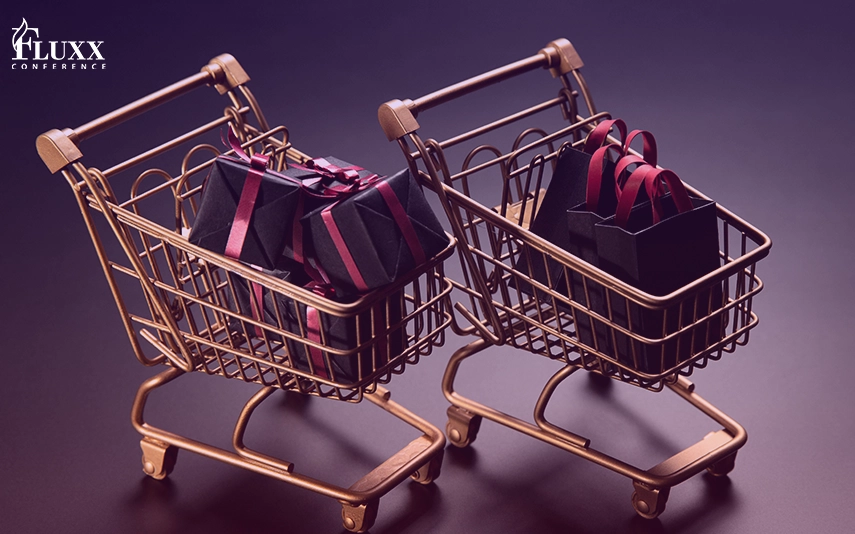
Luxury is forever more than just a product. It is a sense, it is an emotion, thoughtfully created even before the customer clicks “Add to Cart.” For luxury eCommerce companies, the typical online customer environment is that they can’t interact with the high-end materials or feel the atmosphere of a luxury shop in person – they need to rely on visual psychology to cultivate perception. Colour can be one of the strongest design tools to create perceived value, amongst all design elements.
A well-chosen color palette can have a website look exclusive, sophisticated and trustworthy within seconds. Conversely, the wrong colors can subtly “downgrade” even the best lines of products. Luxury brands know that color is a strategy, it doesn’t just look good.
But how come certain colors are considered luxury? What makes some colors considered luxury? Read further to know the color Psychology in e-commerce.
Color Psychology Is Important in Consumers’ Behavior
Research has repeatedly been shown that consumers can make subconscious judgments about a product and a brand, prompted by the sight of their colors, principally when it’s colour. It means that for luxury brands the colour should support prestige, quality and desire for every shade.
Colors have come to mean a lot to luxury due to culture and consumers. For example, black is associated with sophistication, authority, and exclusivity. Gold is a symbol of quality and everlasting style. There are tramlines of each shade of navy blue, with each tone different from the other, as well as neutral tones, these all evoke a sense of trust and refinement, or even minimalism and premium craftsmanship.
Colors are generally not bright or heavy when it comes to luxury brands, as it can appear cheap or disorganized. Instead, they gravitate towards measured colors that instil a sense of balance, tranquility, and assurance.
Why Minimalism Increases Perceived Value?
One of the most important points for luxury eCommerce design is restraint. Brands know that in order to offer premium values they need to send a strong message with simplicity, not of excess.
Customers do not arrive on a luxury site and find it overrun with flashing banners, too good to be true sales or visual overload. Rather, they find themselves in clean designs, spaces for contemplating and discussion, and meticulously designed color palettes. This is a spare take on minimalism that says that the brand is the one that already has the attention of the viewers.
The neutral and white versions will work well particularly because they don’t draw the attention of the audience. This gives the impression of a gallery or like those that are found in upper end retail stores or at art exhibits. This makes the shopping experience more interesting, and invites customers to connect the product with exclusiveness.
Exuding in Black: The Signature Color
There may be few colors that do as well in luxury brands as black does. In the world of fashion, auto, beauty and jewelry, there’s a prevailing attitude that black conveys prestige and authority.
Black backgrounds typically are used by luxury brands to add contrast and emotional depth to a black and white eCommerce project; similarly, typography, or visuals from packaging work can create similarly dramatic effects. The colors black is used to express seriousness and permanency. It also gives ambiance, which also adds value to the ease of desirability.
Top-quality brands strategically incorporate black into their designs not too much. When used with a touch of a metallic texture or a clean and white font, it adds a sophisticated digital touch without being overpowering.
The force of black lies is in the product not saying a word, making it more premium.
Colours Gold and Metallic Accents: Indications of Luxury
Gold has always been regarded as a sign of wealth, scarcity and prestige. For luxury eCommerce, gold is not the color to be used in excess as it can become gaudy or even bulky. Rather, successful brands use gold in eye-catching textures as a design accent that enhances the user experience.
Use small elements, such as gold buttons, borders, icons and typography, to add a touch of sophistication and enhance the overall design. The metallic effect is particularly suitable for sectors such as skin care, watches, jewelry, high-quality home décor, and other specialties, adding credibility and prestige to the craftsmanship and included items.
Other shades such as rose gold or champagne have become more popular among modern luxury brands since they have a more modern feel and yet remain luxury.
Brand Trust Building Tackles the Color Consistency Challenge
For luxury shoppers, consistency is the name of the game. A failing in the brand’s image – internal appearance of a fragmented brand image can have a severe impact on brand credibility within seconds. That’s what makes it important that premium eCommerce companies have a well-established color scheme for their websites, social media, e-mail campaigns, packaging, and ads.
If it is continuously used by the customer, there is a stronger connection and trust in the brand. Colors grow emotional about the brand experience, with time.
Consider the ease in which some luxury looks can be recognized. In the absence of branding, many customers are able to simply identify premium brands by the colour palette and graphics used. It’s no accident that such recognition is being received, as it is the result of deliberate visual branding.
Emotional Influence and Purchase Decisions
Luxury shopping is more of an emotional than needed activity. The buyer does not only purchase a product; it is buying his/her identity, aspiration and status. Online shopping journey and emotional response can be triggered by color.
Using warm neutrals can generate comfort and intimacy. Rich jewel tones have depth and elegance. Soft monochromatic colors create an air of grace and serenity. Consumers’ perception of product quality and pricing is affected by each emotional cue.
It’s interesting that luxury brands do not like bright red to use as a primary color theme for websites as it is very associated to urgency and discount sellng. Red can invigorate movement but too much might not make for luxury’s focus of confidence.
Final Thoughts
Color in luxury eCommerce is not just a visual element; it is a universal language of value. Consumers experience the quality, exclusivity and trustworthiness of every shade, contrast, accent.
A luxury brand knows that “making it look good” is the first step to having a successful experience. By employing effective color psychology, minimalistic design and branding, they establish a virtual context where products appear desirable before they are even ordered.
Savvy brands who get the emotional value of color will be well positioned in shaping perception, increasing brand loyalty and raising perceived value as online competition continues to rise. Visit at –
Fluxx Conference
Interesting Reads:
The Revolution of Edge Computing in Making Real-time Decisions in IoT Ecosystems
If AI Ran Conference: What Would a Fully Automated Event Look Like?