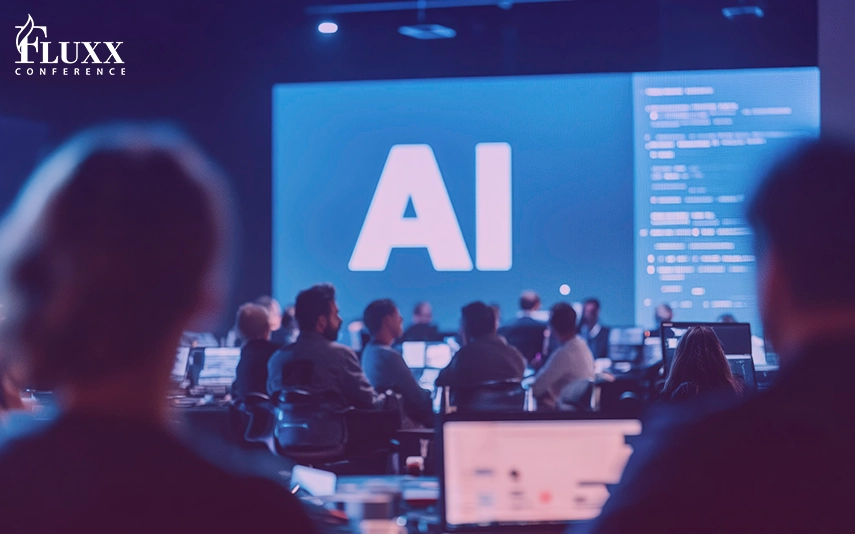
Envision a conference experience that’s seamless. A few clicks register your attendance, the sessions you attend align with your interests, and every interaction is meaningful. This is the future of conferences that use artificial intelligence and are automated.
With an automated event, nothing is left to chance. Data is used to produce a seamless user experience using preferences, habits, and attendance patterns. Guests can navigate through a sequence of experiences rather than time slots for a more personal experience.
Smart Scheduling That Adapts in Real Time
In many cases, agendas are set and inflexible. With an entirely automated system, scheduling is dynamic. Technology analyzes attendee engagement and dynamically schedules sessions, never leaving rooms empty.
At AI conferences, finding good events is seamless. Recommendations are tailored to attendee objectives, maximizing their time. And presenters get a better audience fit, leading to higher engagement.
Personalized Networking Without the Guesswork
Networking can be a crap shoot. You meet a lot of people but struggle to find any connections. Automation alters this equation, with common interests, goals, and opportunities.
AI conferences match up people to meet. Interactions are purposeful. This structure makes both the process of getting to know someone and networking more organic.
Interactions are not as pushed and more rewarding.
Intelligent Check-Ins and Seamless Entry
Registration booths’ long queues may soon be a thing of the past. Identity, ticketing, and entry are processed quickly and efficiently.
At AI events, facial recognition or digital badging takes place. Participants easily enter a secure environment, letting them be present for the event. It’s a great lead-off.
Content That Learns from the Audience
Automation makes the delivery of the content more dynamic. Software measures engagement, ratings of sessions, and other interactions to dynamically adjust content.
At AI-powered conferences, sessions accommodate audience response. Sticky topics are promoted; others are adapted or removed. This results in a positive feedback cycle, making the conference better.
Provide Simulation Areas where people can test devices.
Provide live responses to questions with researchers.
Organise biometric screenings at host wellness corners.
Such intensity of interaction indicates the formation of an effort around the experience of the attendee and building a more valuable professional connection.
Superiority matters to healthcare professionals. The interactive demonstration is used to clear up doubts and support the technical competence of the brand.
Exhibitions That Feel Interactive and Alive
Static exhibits can be found in exhibitions. Technology provides interactive components that interact with visitors. Displays personalized content to attendees for engaging talks.
At conferences on AI, exhibitors are given insight into end-visitor interest. This enhances conversations and interactions. The conference changes from static to active experiences.
Data-Driven Insights for Better Experiences
Data is created with each interaction at an automated event. This helps us understand attendees’ preferences, behavior, and satisfaction.
At AI conferences, event planners understand which aspects of the event are successful and which can be improved. This informs future conferences, resulting in improvement. As a result, conferencegoers enjoy continually improving experiences.
Real-Time Translation and Accessibility
Multilingual communication is a challenge in global events. This has been solved by automation with real-time translation and accessibility. Participants can access information in their language.
For AI events, subtitles and voice translation and adjustable interfaces enhance accessibility. This increases attended sessions and dissemination of ideas.
Enhanced Security Without Disruption
Event security is of high importance. Assisted systems track, spot, and alarm potential security threats. This enables security without disruption to attendees’ experience.
At artificial intelligence (AI) conferences, security is hatched out of sight. Participants are made safe, but not hindered, making them feel more relaxed.
The Role of Human Touch in an Automated World
Technology is efficient, but people are still important. An automated event doesn’t mean no people. It assists them to better join forces.
Even with an AI conference, the human hosts, speakers, and facilitators provide authenticity. It augments, but doesn’t replace them. This results in a confluence of high-tech and human.
Challenges That Come with Automation
Automation brings with it certain challenges. Privacy, safety, security, and ethics are important aspects. Event organizers need to consider these factors to establish trust.
Transparency is key for AI conferences. Participants must know how their data is being handled and how things work. So, transparency leads to trust in automation.
What the Future Could Look Like
The possibilities for events seem ever-evolving. Technology is progressing, offering new opportunities for sharing and interacting. Events may transform from events to dynamic systems.
The AI conference offers an intuitive, efficient, and individual experience. Participants save time on “housekeeping” and focus on learning. This creates a “new” conference.
A More Meaningful Way to Connect
Automation alters the nature of social interactions, learning, and collaboration. It eliminates barriers and boosts relevance, providing a meaningful experience.
AI events are expanding and could become the blueprint for other events. It’s less about the numbers and more about quality connections so that every interaction is valuable.
Step into innovation and connect with global leaders at
Fluxx Conference 2026.
Interesting Reads:
IT Trending Topics in Remote Work Exceptional Times of Cybersecurity
What Role Do Speakers Play in Delivering Value at Business Events?