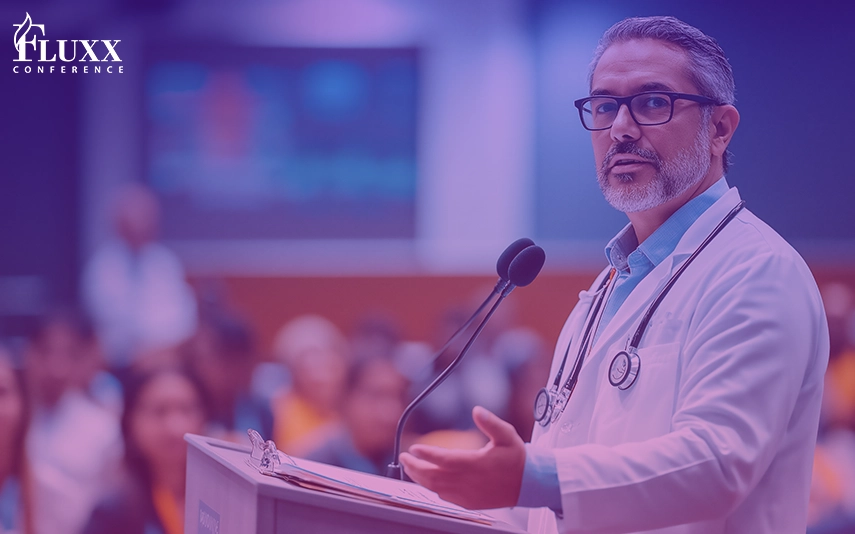
Summary: Community leaders walk away with fresh ideas after attending a health event focused on real results. Instead of just theory, they gather tools that work – skills to lead better plus connections that last. These gatherings borrow smart methods seen at top global meetings, though adapted for local needs. Learning happens through examples that stick, not lectures nobody remembers. Stronger programs grow when people share what fits their neighborhoods. Outcomes become clearer because planning shifts toward what actually moves the needle.
When people meet at a
health promotion conference. Not merely meetings, these moments spark change as doctors, teachers, lawmakers, charity heads, and well-being champions share real methods that shift communities. Starting from lowering chronic illness rates to boosting understanding about emotional wellness and early medical access, insights from a single event ripple across countless individuals. The effect grows quietly, yet widely, through shared learning.
Though stuck in old ways, some community health efforts find fresh energy by stepping into wider circles. When people gather at a health promotion conference, new ideas begin replacing worn-out routines. Without much support, local teams might miss tools that actually work – yet shared learning fills those gaps quietly. Instead of working alone, organizers walk away with alliances formed through honest talk. Even tight budgets stretch further after discovering methods proven elsewhere. Leadership grows stronger when different voices start aligning without force.
Fresh Approaches Seen Working
Wellness plans work best when they follow proven steps instead of guesses. A solid approach grows from real results rather than ideas pulled from thin air.
One way to learn more about community health is through real-life examples shown at the
biggest business conferences in the world. Experts share what worked when they improved care in their towns, speaking during group talks that dig into tough topics. Sometimes the conversation turns to how kids stay healthy, sometimes it drifts toward tools like apps that teach patients online. Other times people listen closely as mothers’ healthcare needs are unpacked by someone who made changes happen. Wellness at work comes up too, especially ways offices became healthier without forcing rules on staff. A session might begin with laughter yet end in silence after a story about living with long-term illness. Each workshop moves differently – some fast, some slow – but all pass along lessons earned through trial.
Finding what works doesn’t need guesswork – many groups already use methods tested elsewhere. These approaches cut uncertainty fast, yet bring change more quickly too.
Stronger Leaders Better Programs
A single voice at the top often shapes how well a wellness plan works
. A
business leadership conference sets the rhythm without needing to shout about it.
From front-row seats to backroom talks, some meetings mirror top leadership gatherings by zeroing in on how people talk, make choices, handle partners, or work across different fields. Worthwhile insights often land hardest with those running non-profits, guiding schools, managing clinics, or shaping town services tied to public health.
When leadership grows clearer, people start moving together – volunteers, doctors, city workers, neighbors – all pulling toward one shared goal. Because of that shift, trust builds slowly, duties feel more real, involvement deepens almost without notice.
Connecting Thoughts to Collaborations
Wellness programs rarely thrive in isolation.
One of the most transformative benefits of attending a health promotion conference is strategic networking. These events create opportunities to connect with hospitals, NGOs, schools, fitness experts, nutritionists, mental health specialists, and policymakers.
A simple conversation at a conference can lead to:
Grant Opportunities
Co-Hosted Awareness Drives
School Wellness Initiatives
Corporate Partnerships
Government-Backed Health Campaigns
Out here, connections grow much like those forged during major global trade gatherings – where big ideas tend to spark through shared goals instead of solo effort. A quiet exchange today might just unfold into tomorrow’s breakthrough, simply because people chose to listen more than speak.
Finding New Trends Early
Faster than habits shift, health changes keep moving – so do neighborhood efforts tagging along. Community work adjusts when wellness directions turn elsewhere.
A fresh idea kicks off when groups gather to explore what’s next – AI shaping how people learn about wellness, remote care building stronger connections, new ways to nudge habits gently. Devices worn daily feed real-time clues into prevention strategies. Background factors like income or neighborhood quietly guide who gets support and how it lands. Each piece fits differently now than before.
Early awareness of such patterns allows those guiding programs to stay ahead when shaping efforts grounded in evidence, fitting how current groups actually live. What comes next often favors the ones who adapt first.
Better Returns on Wellness Spending
Funding usually runs short when it comes to health programs run by public agencies or charities.
Because of this, each dollar spent on the biggest business conferences in the world show clear results. Going to a health promotion conference boosts returns since it guides groups away from weak strategies, uncovers better ways to fund projects, yet sharpens how they use time and money.
Out here, real-world tactics arrive already shaped by experience – packed with practical instruments teams apply straightaway, while clear standards show what success looks like:
Participation Rates
Long-Term Engagement
Health Literacy
Preventive Screening Outcomes
Community Trust
A solid foundation of clear choices shapes this wellness network, replacing uncertainty with direction. It grows not from random tries but focused steps taken one after another.
Conclusion
A single business leadership conference can shift everything – sometimes more than money ever could. What matters is where it happens, who joins, how ideas connect. A new way of thinking might spark change faster than any program. One alliance built on trust? That too holds weight. Real movement grows quietly, not with announcements but presence.
A space where health ideas grow happens at a gathering focused on wellness.
Starting strong doesn’t always mean big moves – sometimes it’s the quiet shifts at events where leaders grow through shared insight, not just speeches. Connections spark differently when fresh ideas meet real routines, especially in spaces built around well-being done right.
Connect with the world leaders at
Fluxx Conference 2026!
FAQs
1) Why is a Health promotion conference important for community wellness?
A strong toolkit shows what works, built on research. Connections form through shared goals instead of isolated efforts. Leaders gain clear views from real experience, not theory. Local health projects grow stronger when guidance meets practice. Lasting change comes easier with support that adapts and listens.
2) Who should attend a Health promotion conference?
Those working in public health might find value here. NGO leads could gain something useful too. Educators may see advantages worth noting. Hospital system planners might take note. Government officials involved in policy could apply parts of it. People running local programs might also get results.
3) What about when you stack it up against top leadership events?
Besides building leadership skills, it zeroes in on how health systems work, ways to prevent illness, plus getting communities involved. While growing leaders, its spotlight stays on public wellness, prevention strategies, along with local participation efforts.
4) Can conferences help with wellness program funding?
True, making connections can open doors to funding through grants, corporate social responsibility deals, support from sponsors, and joint efforts with medical centers.
5) What trends can attendees learn about?
Frequently, discussions center on digital health – shifting then toward AI-driven learning for well-being. Telehealth emerges regularly, linked closely to efforts supporting mental health awareness. Prevention strategies appear too, woven into new approaches that rethink early intervention.
Interesting Reads:
Inside a Modern Business & Healthcare Conference: What Really Happens Behind the Scenes?
Logo is Not a Brand: Understanding the Full Brand Identity System